
 IGCAN Directory
 login/create account
 Donate
2024 Winner Spotlight
Beyond the Surface: Recovering Me and My Sex - Supporting Sexuality and Self Esteem in Women Post Cervical Cancer Treatment
Project Lead: Karen Nakawala Chilowa
Organization: Teal Sisters Foundation
Target Population: Women who have undergone cervical cancer treatment in Zambia
Q&A with Karen Nakawala Chilowa
What does success look like for you in the context of this project? How do you think the impact of your project will evolve over time?
What success looks like for us as Teal Sisters Foundation in the context of this project is being able to have conversations with survivors that are typically taboo in our setting. Discussing sexuality after treatment is unheard of because women are often expected to simply move forward with very little or no support and to resume normal lives after treatment. This is difficult due to the nature of the disease, its treatment, and the subsequent side effects. All of this is compounded by the stigma, myths, and misconceptions that especially shroud gynecological cancers. So, success for us means breaking down this barrier and giving women the voice, courage, and space to have courageous conversations.
What results were you able to produce with the funding you received? What are some measurable impacts of diversity and inclusion within your community?
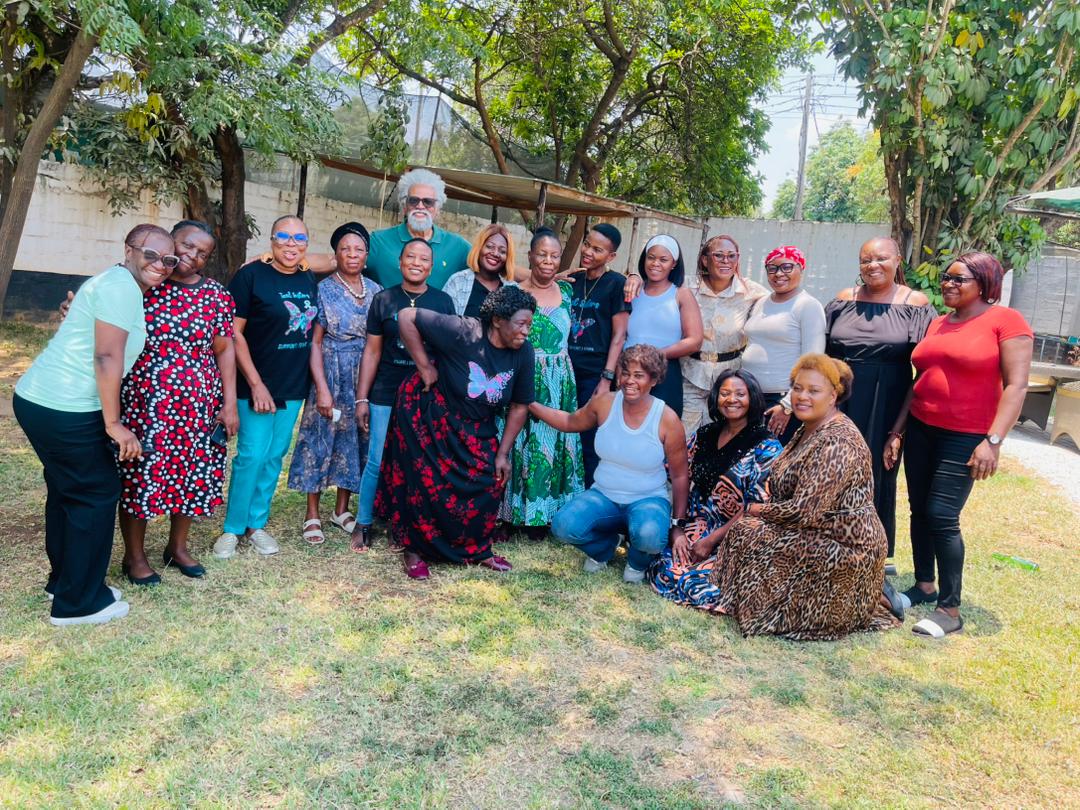
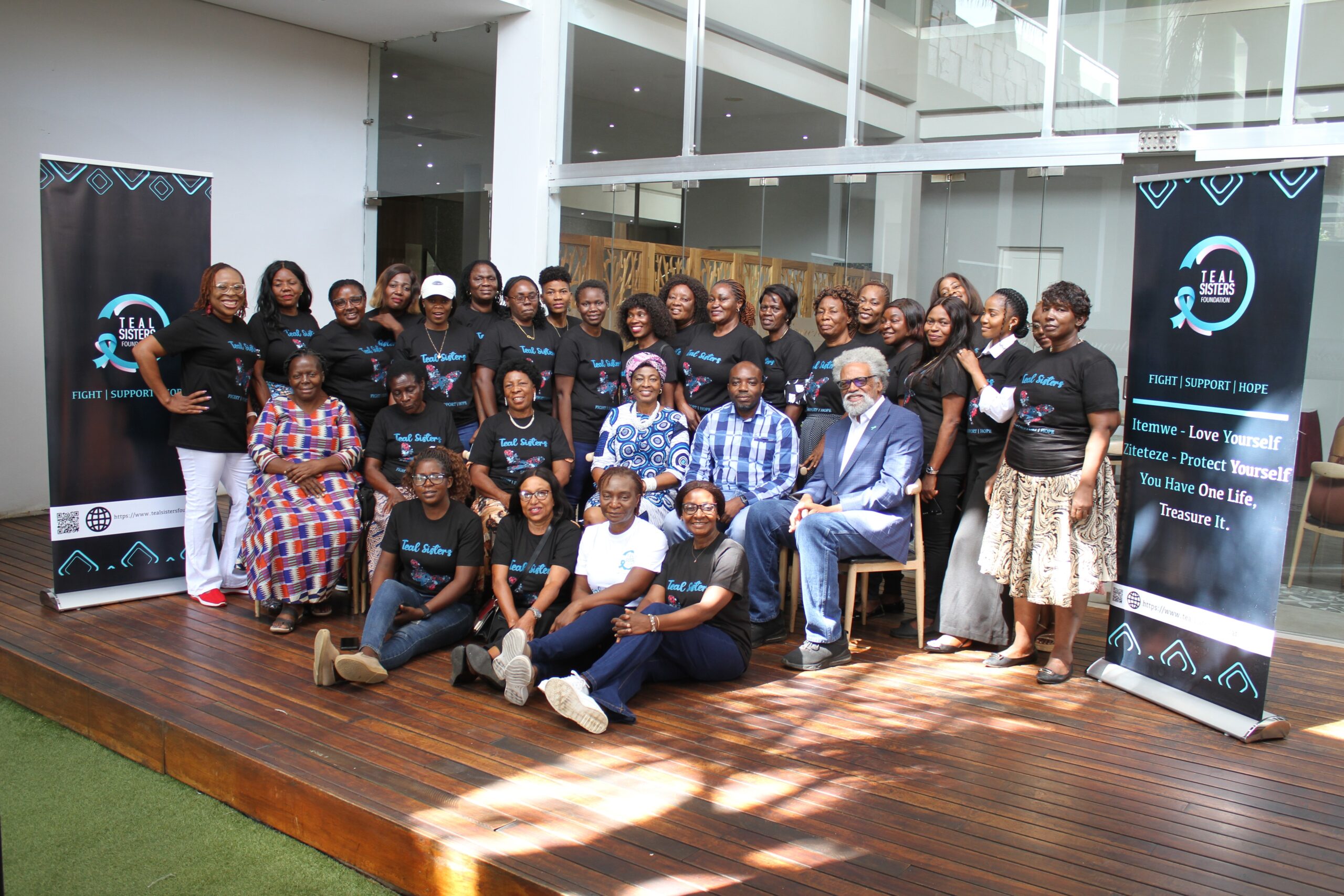
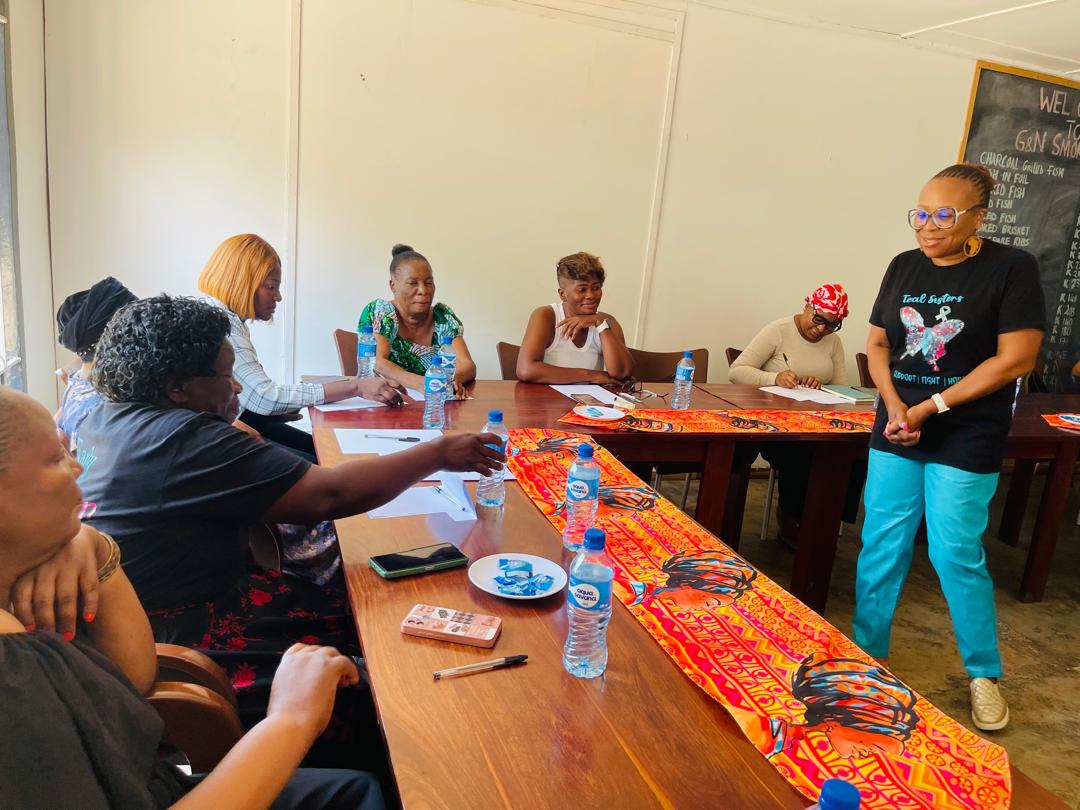
With the funding received, we were able to host three workshops:
- The first workshop was for 35 survivors only, which enabled us to conduct a baseline study and have honest conversations amongst ourselves. This helped us identify practical ways to support our sexuality needs and self-esteem in a bid to improve our quality of life as survivors, purely based on lived experience.
- The second workshop was held with survivors and doctors to gain expert opinions and learn more about available treatment options, their side effects, and how these side effects can be managed.
- The third workshop was held with survivors, healthcare providers, and the social welfare department. We focused on the relationship between healthcare providers and patients and the kinds of support they can offer survivors and patients. The social welfare team addressed managing emotions, body changes, and communication between survivors and their partners, in the hope that improved communication will ease the pressure surrounding sexuality and intimacy.
From these workshops, the survivors decided to launch the Zambian Cancer Survivors Support Network. The initiative has reached an advanced stage and is awaiting official launch by the Ministry of Health.
The survivors also developed a survivor’s toolkit on managing sexuality, intimacy, and self-esteem post-treatment titled Sister to Sister: A Guide to Sexuality, Intimacy, and Self-Esteem After Cancer Treatment. The booklet has since been submitted to the Ministry for approval and is awaiting publication.
"I suffered neglect during my treatment from people that were supposed to support me. After treatment, the intimacy was affected greatly but meeting other survivors encouraged me and am happy that am working on my sexuality and finding my voice again as a woman despite the challenges. It is great to belong to a community of people who understand. My life will never be the same, but I intend to live it fully by reclaiming my sexuality!"
Constance Munga
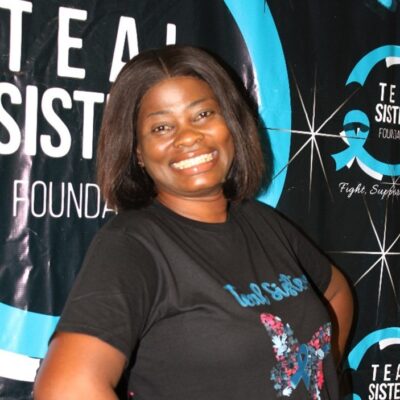
"After diagnosis, the stigma started in my own home, and this resulted in me not disclosing to anyone else about my diagnosis. I went and had treatment silently until Teal Sisters invited me to a workshop where I met other survivors. I was shocked to learn that others were going through the same issues. Sharing our stories gave me hope and helped regain my self-esteem. My body may have changed but am still all woman! Talking about my sexuality has really helped me cope with the side effect. I am now confident about myself, my body and my sexuality! I feel beautiful."
Helen Nsokolo
How did your project contribute to the goals of equity, diversity, and inclusion, and how has your perspective evolved as a result of this work?
Our project contributed to the goals of equity, diversity, and inclusion by centering and amplifying the voices of people who are usually not heard and by addressing a topic many are reluctant to discuss: sex. After treatment, there is often an assumption that survivors are fine simply because they are alive, but life after cancer is profoundly different, and the quality of that life matters just as much as survival. Through this project, the unheard have been heard, and the unseen have been seen.
How do you plan to sustain the impact of your project after the funding has ended?
We hope to sustain the impact through our survivors’ toolkit and the Zambian Cancer Survivors Support Network, where these conversations will continue.
Are there any future projects or initiatives that you are planning as a result of this work?
Yes, more workshops for those coming out of treatment and continuous meetings with older survivors to ensure continuity.
What advice would you give to others who are seeking to create impactful projects with EDI funding?
Learn to do what you can with what you have. Do not try to overachieve, but maintain a one-person-at-a-time mindset, and you will be amazed at the ripple effect and how many people you will touch and help in the end. Be able to adapt to change and always be aware of your environment.
About the Dicey Scroggins Fund for Equity, Diversity, and Inclusion in Gynecologic Cancer Patient Outreach
This fund was established to support projects and initiatives that address disparities in gynecologic cancer patient care. By providing financial support to innovative and inclusive projects, the fund aims to contribute to a more equitable and diverse landscape in the field of gynecologic cancer research and outreach. Named in honor of Dicey Scroggins, the founder of IGCS’ global patient advocacy network, International Gynecologic Cancer Advocacy Network (IGCAN).
About the International Gynecologic Cancer Advocacy Network
The purpose of the IGCAN is to create and sustain a broad Network of organizations and individuals that work collaboratively—in sisterhood—“to enhance the care of women with gynecologic cancers worldwide,” with the core value that every woman under every circumstance deserves and must receive the best possible quality of care and quality of life, resulting in best outcomes.