TwitterFacebookLinkedIn
Online voting for the 2026 Board of Directors and Early Career Executive Committee Election will begin on May 4 and remain open for 30 days, through June 5, 2026. IGCS Members with voting rights will receive an email with instructions regarding how to vote.

The President Elect, Vice President, Secretary Treasurer, and Medical Oncologist will be elected by all active members. The four regional board member positions will be elected by active members residing in the corresponding region.

The three Early Career Executive Committee positions will be elected by active Early Career Network members.

The online election is being managed by Simply Voting Inc., an independent, third-party election provider. IGCS Members with voting rights will receive an email with a personalized link to the online ballot from the email address, vote@simplyvoting.com starting on May 4, 2026. Those with sensitive spam filters are advised to add vote@simplyvoting.com to their email contacts list to ensure delivery.

If you have questions about the election or require assistance with voting, please email igcs@igcs.org.

Meet the Candidates Board of Directors

Candidates for President Elect

Dr. Joseph S. Ng National University Cancer Institute Singapore Singapore
Position:  President Elect Specialty: Gynecologic Oncology Personal Statement:  IGCS has grown from roughly 1,000 members when I first volunteered to nearly 10,000 today. That growth is not accidental, it reflects a decade of deliberate investment in people, relationships, and trust across cultures. My candidacy for President is built on a straightforward proposition: that the next chapter of IGCS must convert that scale into measurable impact for women with cancer, everywhere. I have three priorities that I want to share with every IGCS member. First, deepen the membership ecosystem. IGCS is unique in its genuinely multi-disciplinary embrace-- surgeons, medical oncologists, radiation specialists, allied health professionals, and researchers, working together across borders. I will work to formalise the structure that gives early-career clinicians a clear home within IGCS: a community, a pathway, and a voice at the governance table. Retaining the next generation is not a soft aspiration — it is an organisational imperative. Second, expand the fellowship and mentorship architecture. As one of the founding contributors to the IGCS GO Global Fellowship, I have seen firsthand what happens when experienced clinicians invest their time in colleagues from under-resourced settings: care improves, locally, sustainably, and at scale. I intend to extend this model — increasing the number of placements, strengthening the selection and support framework, and building reciprocal exchange so that learning flows in both directions. Third, pursue growth with cultural precision. Our membership spans every continent, and our largest and fastest-growing communities are in Asia. Continued global expansion will require more than a broad welcome, it requires culturally embedded leadership, local clinical champions with genuine authority within IGCS structures, and governance that reflects the geographic reality of our membership. I will actively recruit and elevate those voices. Underpinning all of this is a conviction I have held throughout my ten years of service to IGCS: that the organisation’s most durable asset is its people. Infrastructure matters. Guidelines matter. Meetings matter. But it is trusted relationships — between a mentor and a trainee, between a clinician in Singapore and a colleague in Nairobi, between an established voice and an emerging one — that ultimately translate into better outcomes for women with cancer. I am not running to maintain the status quo. IGCS has earned its position as the world’s foremost society for gynaecologic oncology precisely because it has been willing to evolve. I intend to lead that next evolution: a more structured early-career community, a broader fellowship programme, and a governance model that genuinely represents our global membership. It would be a privilege to serve as President of IGCS. I am ready to do the work.

Prof. Andreas Obermair Queensland Centre for Gynaecological Cancer Research The University of Queensland Australia

Position:  President Elect Specialty: Gynecologic Oncology Personal Statement:  Who I am I underwent my basic OBGYN training in Vienna. Wanting to pursue dedicated Gyn Oncology training, I persuaded my wife to move to Brisbane, Australia for “one, maybe two years”. After three years, this turned into a permanent change and my family and I now love being Australians. As a very curious person, clinical trials gave me a great opportunity to combine scientific research with being an active clinician. I am fortunate to be surrounded by a great multidisciplinary research team, including cancer nurses, who have helped me to lead the LACE trial that helped shift surgery in endometrial cancer from open to MIS; the LACC trial, feMMe, ENDO3, and now the ANVU trial, which will be the biggest RCT conducted ever in vulvar cancer. How I got involved with IGCS I have always seen myself as an international Gyn Oncologist and got involved with IGCS in 1996 as a resident. Even now as a senior clinician, IGCS conferences still inspire me for new research ideas and allow me to build international friendships. In 2010 I was elected to IGCS council, and in 2014 to Secretary/Treasurer. In 2014 I was invited to lead the scientific program for the IGCS Melbourne 2014 meeting. IGCS was my natural ¨home¨ to get to know people across the world with similar interests, and I want all IGCS members to have the same experience. What we achieved in IGCS In my previous role as Secretary/Treasurer (2016-2020) I was responsible for IGCS’ financial health. With the help of Mary Eiken, our marvellous CEO, I learned about financial stewardship for IGCS. Under my tenure, we increased the meeting from every two years to yearly; we developed responsible partnerships with member societies and industry (while maintaining independence); and we continued to focus on our global responsibility rather than operating just in high-income countries. At all times, IGCS was the organisation that members from ALL countries could count on. What I want IGCS to achieve
  1. Innovate surgical education and mentorship: We need to remain open to innovation and pass down surgical knowledge to future generations in the context of true multidisciplinary care. My surgical teaching was recognised through the IGCS Excellence in Teaching Award (2021), and I will be on faculty for the Train-the-Trainer workshop in Montreal.
  2. Expand research training: I would like more IGCS members taking leadership in high-quality clinical trials, which requires structured teaching and mentorship and should involve our IJGC journal.
  3. IGCS Guidelines: Existing treatment/diagnostic guidelines are sometimes not applicable in a global context. Dedicated IGCS guidelines should take into account high-level evidence, resources available locally, and patient preference.
  4. Increase patient advocacy because “nothing happens without patients” anywhere.
  5. While Artificial Intelligence has been revolutionary in many ways, it presents significant scientific and technological challenges. IGCS should create resources to ensure it supplements, rather than replaces our clinical judgement.
I look forward to working together in the future and would value your support for this role.

Candidates for Vice President

Dr. Dilyara Kaidarova Kazakhstan Cancer Society Kazakhstan
Position:  Vice President Specialty: Gynecologic Oncology Personal Statement:  I am a Professor, MD, PhD, and a member of the Kazakhstan National Academy of Sciences. Currently, I serve as Deputy Chancellor of the National Medical University in Almaty and as President of the Kazakhstan Cancer Society. From 2017 to 2025, I had the privilege of serving as Director of the Kazakh Institute of Oncology and Radiology. For over 30 years, my career has been dedicated to improving the full spectrum of cancer care — from prevention and early detection to advanced treatment and palliative care. My Vision for IGCS Leadership My engagement with the International Gynecologic Cancer Society has been deeply inspiring. Having served on the IGCS Board for Asia and Oceania (2022–2024), I developed a profound appreciation for the Society’s mission. If elected as Vice-President, I intend to leverage my experience in large-scale health system reform and international policy to further IGCS’s global impact. My goal is to serve as a bridge between the Society’s global expertise and the practical needs of regions where gynecologic cancer care remains uneven. I hope to accomplish three key objectives through my service on the Board:
  • Expanding Capacity Building in LMICs: Drawing from my experience in the former Soviet Union — a vast region with diverse healthcare challenges — I aim to strengthen sustainable gynecologic oncology services in low- and middle-income countries through tailored educational programs and mentorship.
  • Strengthening Global Partnerships: By utilizing my roles in the ASCO International Affairs Committee, the Lancet Commission, and UICC, I will advocate for IGCS’s mission within the broader global health agenda, fostering collaborations that introduce international standards of care to underserved regions.
  • Fostering Regional Collaboration: I am committed to building stronger professional networks across Asia, Oceania, and Eastern Europe, ensuring that advances in surgical techniques and systemic therapies reach women in all parts of the world.

During my tenure as Director of the Kazakh Institute of Oncology and Radiology, I led institutional reforms and established strategic partnerships with leading global cancer centers. I believe this leadership experience, combined with a clear vision for equity in women’s health, will allow me to contribute meaningfully to the IGCS Board of Directors. It would be a great honor to serve as Vice-President and to dedicate my leadership to advancing the Society’s mission. I sincerely appreciate your support.
Dr. Angélica Nogueira Rodrigues Brazilian Group of Gynecologic Cancer Latin America Cooperative Oncology Group Brazil
Position:  Vice President Specialty: Medical Oncology Personal Statement:  I would be honored to serve as Vice President of the International Gynecologic Cancer Society at a defining moment for our field. Scientific progress in gynecologic oncology has accelerated remarkably, yet profound inequities in prevention, diagnosis, treatment, and outcomes still persist worldwide. IGCS is uniquely positioned to help narrow these gaps by connecting science, education, and collaboration across regions, disciplines, and health systems. My professional trajectory has been defined by collaborative network-building and a sustained commitment to advancing cancer care across diverse settings. As Past President of the Brazilian Society of Clinical Oncology, one of the leading oncology societies in Latin America, I gained broad experience in strategic leadership, professional representation, and the advancement of oncology at a national level. As Founder and first President of EVA, the Brazilian Gynecologic Tumor Group, I led the creation of a national collaborative network that now includes more than 1,100 members. As Chair of the Council of Presidents of the Alianza Latinoamericana de Sociedades de Oncología Clínica, I have worked to strengthen coordination among national societies and foster cross-country collaboration across Latin America. I am a medical oncologist specialized in gynecologic cancers, with a PhD in Oncology, additional postdoctoral training in Global Oncology at Harvard/Massachusetts General Hospital, and executive education at Stanford Graduate School of Business. These experiences have strengthened my commitment to equity-driven cancer care, leadership, systems thinking, and scalable solutions. In parallel, my work as a consultant with the Pan American Health Organization, PAHO, has deepened my understanding of how scientific advances can be translated into meaningful strategies across different healthcare systems. I am also a researcher, professor, and mentor, currently serving as Adjunct Professor and Researcher at the Federal University of Minas Gerais. In addition, as Chair of Gynecologic Oncology at the Latin America Cooperative Oncology Group, I have been actively involved in advancing collaborative clinical research across the region. Throughout my career, I have remained deeply committed to academic medicine, the training of future oncologists, and the integration of research, education, and patient care. I have contributed to more than 100 scientific publications and authored 5 books, reflecting a sustained commitment to knowledge generation and professional education. I believe I would bring to IGCS a combination of leadership experience, global perspective, academic credibility, and practical implementation capacity. I also see an important opportunity to further strengthen the engagement of medical oncology within IGCS while reinforcing the Society’s multidisciplinary and international identity. If elected, I will focus on expanding engagement in regions with growing scientific capacity, strengthening bridges between regional and global initiatives, and helping ensure that scientific advances translate into measurable improvements in care for women with gynecologic cancers worldwide.

Candidates for Secretary Treasurer Elect

Dr. Hennie Botha Stellenbosch University South Africa
Position: Secretary Treasurer Elect Specialty: Gynecologic Oncology Personal Statement:  My vision for serving as Secretary Treasurer of the IGCS is driven by a commitment to universal cancer care, strong global partnerships, and sustainable capacity development - especially in low- and middle-income countries (LMICs). Through decades of work in Africa, and internationally, and through extensive involvement in multi-national research networks and WHO guideline development, I have experienced how coordinated global action can meaningfully improve outcomes in resource constrained settings.  IGCS plays a unique role in building these connections. My previous service as an IGCS Board Member, examiner and mentor within the IGCS fellowship program, and leadership roles in multi-country research studies, only strengthened my commitment to cross-regional collaboration. I aim to strengthen IGCS’s position as a global hub that supports impactful, context appropriate strategies for gynecologic cancer prevention and care.  Having led specialist and sub-specialist training programs, I understand that progress in cancer control depends on empowering local clinicians. As Secretary Treasurer, I will ensure transparent, responsible financial stewardship that prioritizes education programs and support for training initiatives.  Reducing the global cancer burden requires solutions that are realistic for health systems with varying resources. By promoting resource appropriate clinical pathways, strengthening international partnerships, and supporting innovation informed by local needs, IGCS can accelerate progress toward equitable cancer prevention and treatment worldwide. I am committed to helping steward a financially secure, forward looking IGCS dedicated to improving gynecologic cancer outcomes across all regions.
Prof. Mahmoud Samy Ismail AlAzhar University Egypt
Position:  Secretary Treasurer Elect Specialty: Gynecologic Oncology Personal Statement I am honored to stand as a candidate for Secretary Treasurer Elect of the IGCS Board of Directors. I seek to contribute strategic leadership, strong governance, and a global perspective to support the continued growth and impact of IGCS. My academic and clinical experience across Egypt, Germany, and the Gulf region has provided me with a broad understanding of diverse healthcare systems, medical education frameworks, and institutional structures. This cross-system perspective enables me to support standardization, foster collaboration, and contribute to sustainable program development across varied resource settings. Through my roles in postgraduate education, supervision, and examination in both Egypt and Germany, I have been actively engaged in academic governance, quality assurance, and the development of structured training pathways. My involvement in the IGCS Global Observership Program has further strengthened my commitment to mentorship, capacity building, and international collaboration. As Secretary Treasurer Elect, I will advocate for transparent governance, financial responsibility, and the strategic allocation of resources to maximize IGCS’s global impact. I am committed to strengthening sustainable training models, advancing collaborative research, and supporting the development of future leaders in gynecologic oncology worldwide. While maintaining a global perspective, I remain committed to advancing equitable access to high-quality care in underrepresented regions, ensuring that IGCS continues to serve as a unifying platform for progress across all regions.

Candidates for Board Member Representing Medical Oncology

Prof. Susana Banerjee The Royal Marsden NHS Foundation Trust United Kingdom
Position:  Medical Oncology Board Representative Specialty: Medical Oncology Personal Statement:  I am motivated to serve on the Board of Directors of IGCS because I strongly believe in the IGCS mission to improve outcomes for women with gynaecological cancers through global collaboration, education, research and advocacy.  I serve as a medical oncologist treating gynaecological cancers at the Royal Marsden NHS Foundation Trust since 2011 and in 2023, was promoted to Professor in Women’s Cancers at the Institute of Cancer Research, London. Throughout my career, I have been committed to the global community advancing high-quality, evidence-based cancer care while addressing disparities in access to treatment and clinical trials. I currently serve as a Board Member of the International Cancer Foundation where I champion initiatives focused on improving cancer care for women in low- and middle-income countries. If elected to the Board of IGCS, I hope to contribute to advancing the role of medical oncology within the multidisciplinary care of women with gynaecological cancers supporting the mission of IGCS to improve outcomes globally.  A key priority would be strengthening global access to modern systemic therapies. Rapid advances in immunotherapy, targeted therapies, and biomarker-driven treatment are transforming outcomes, yet many patients with gynaecological cancers worldwide still lack access to these innovations. I would work to support initiatives that promote practical, resource-adapted treatment guidance, education, and partnerships that help translate scientific advances into clinical practice across diverse healthcare systems.   Education and leadership development are equally important areas where I would hope to contribute.  I bring broad leadership experience from serving as Director of Membership for European Society for Medical Oncology (ESMO) (2020-2022), ESMO Gynaecological Cancers Congress Co-chair (2021-2024), Chair of the ESMO Resilience Task Force (2020 to date) and President of the Royal Society of Medicine Oncology Section (2024-2026). Supporting interdisciplinary training and mentoring programs, educational initiatives, and opportunities for early-career clinicians worldwide will help develop the next generation of cancer caregivers and leaders in gynaecological cancers. I would welcome the opportunity to help advance inclusive and diverse programs that empower medical oncologists and other cancer caregivers worldwide.  Finally, I aim to reinforce multidisciplinary collaboration within IGCS by providing strong representation of the medical oncology voice complementing the significant contributions from surgical and radiation oncology. My role as Chair of the Gynecologic Cancer InterGroup Rare Cancers Committee (2024–2026) has deepened my understanding and strengthened my expertise in international group partnerships, collaborative working and global networks in gynaecological cancers. Close partnerships between medical oncologists, surgeons, radiation oncologists, pathologists, allied health professionals and patient advocacy are essential to delivering optimal patient-centered care.  Serving on the Board would allow me to contribute my clinical and academic experience in medical oncology working alongside multidisciplinary colleagues who share a commitment to patient advocacy and improving care for women with gynaecological cancers globally. I would be honoured to support the strategic goals of IGCS and help advance its mission and global impact to reduce disparities and improve outcomes for patients with gynaecological cancers worldwide.
Dr. Susana Maria Campos Dana Farber Cancer Center United States
Position:  Medical Oncology Board Representative Specialty: Medical Oncology Personal Statement:  My interest in serving the International Gynecologic Cancer Society is rooted in the transformative power of education. Education is an inexpensive yet profoundly impactful tool, built not on complexity but on meaningful dialogue and the sharing of lived experiences that can transcend and elevate the care of individuals across borders. It is not meant to be delegated or confined to institutions, but to reach widely connecting physicians, patients, and communities in a shared pursuit of understanding and better outcomes. Every physician embodies a unique set of experiences that shape their practice, and by fostering an environment where these insights are exchanged openly, we can create a more compassionate, informed, and globally unified approach to cancer care. Medical oncologists have a vital role within the International Gynecologic Cancer Society. The growing complexity of gynecologic malignancies makes close collaboration between medical oncology and gynecologic surgical oncology not just beneficial, but essential. Their involvement ensures that clinical guidelines, educational initiatives, and global outreach efforts reflect the full spectrum of multidisciplinary care. In an international setting, they also help address disparities in access to medications and supportive care, promote clinical trial development, and facilitate knowledge exchange across regions. Without their perspective, efforts to standardize and advance gynecologic cancer treatment worldwide would be incomplete. Treatment regimens now involve a combination of surgery, chemotherapy, targeted therapies, and immunotherapy, all of which must be carefully sequenced and tailored to each patient’s disease biology. Without strong coordination, there is a risk of fragmented care. By uniting their expertise, these specialties ensure that advances in one field are fully leveraged in the other, improving the quality of life for patients. I have had the pleasure of serving with the ASCO Multidisciplinary Cancer Management Courses, an international program that enhances cancer care through collaborative, team-based approaches. These courses, conducted in multiple countries in partnership with local societies, convene surgeons, medical oncologists, radiation oncologists, pathologists, and radiologists to model the multidisciplinary teamwork essential in real-world cancer care. This experience reinforced the importance of mentorship, structured training, and global collaboration in improving clinical practice and patient outcomes. In addition, I have served with the St. Lucia Consulting Service, providing guidance on gynecological healthcare strategy and clinical service optimization. This work strengthened clinical protocols for treatment and enhanced patient care quality. If selected for the IGCS Board, I would focus on continuing to expand global education. A practical blueprint would include (1) further defining a core framework to aim in developing fluency in systemic decision making, (2) curriculum design including core modules and tumor specific pathways coupled with (3) longitudinal integrated education. At its core, the program would continue to cultivate and foster hybrid clinicians capable of integrating surgical and systemic therapy into a unified treatment strategy. Serving on the Board would be a privilege and a responsibility I would fully embrace. Thank you for your consideration.

Candidates for Board Member Representing Africa & Middle East
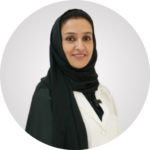
Dr. Sarah Al-Rubaish Dr Suliman Alhabib Saudi Arabia
Position:  Africa and Middle East Board Representative Specialty: Gynecologic Oncology Personal Statement:  Every woman, regardless of geography, deserves access to high-quality, evidence-based gynecologic cancer care. As a candidate for the Africa and Middle East Board Representative, I view my primary mission as serving as a strategic bridge between the IGCS and the Middle East. My goal is to integrate our region’s rapidly evolving healthcare landscape into the global oncological dialogue, ensuring our unique challenges and successes inform international standards. My leadership is rooted in proven local impact and a global perspective. From leading complex surgeries at Dr. Sulaiman Al Habib Hospital to my community partnerships, I have demonstrated how local excellence can drive global progress. Through the development of the inaugural structured Cervical Cancer Screening Program in the Eastern Province and the leadership of the Gynecologic Oncology Fellowship at King Fahad Specialist Hospital, I have established a robust foundation that enables the enhancement of patient outcomes on a wide scale. Looking forward, I am committed to navigating the digital transformation in gynecologic oncology. Drawing on executive insights from my Harvard education, I advocate for a balanced integration of AI and robotic surgery—leveraging these tools to enhance surgical precision and research while maintaining the essential "human touch" of the physician. I aim to foster collaborative research through IGCS that establishes clear clinical pathways for adopting these innovations in resource-variable settings. Throughout my 18-year journey, the core of my work remains the patient. My approach is defined by "Compassionate Professionalism"—a commitment to clinical excellence validated by the deep trust and gratitude of the women I treat. I believe that professional milestones are only truly meaningful when they translate into stories of recovery and empowerment. If elected, I will focus on three pillars: 1.⁠ ⁠Regional Integration: Strengthening the bond between IGCS and MENA societies (including Saudi Gynae-Oncology, PARSGO, and MEMAGO) to ensure our region is a proactive contributor to global research and guidelines. 2.⁠ ⁠⁠Scalable Education: Expanding mentorship and fellowship frameworks—like the multidisciplinary training center I am developing—to build workforce capacity globally.  3.⁠ ⁠⁠Human-Centric Innovation: Leading the implementation of new technologies with a focus on equity, ensuring that the future of cancer care is both high-tech and high-touch. I bring a collaborative leadership style and a proven record of building cross-border programs. I am ready to represent our region with the dignity and strategic vision it deserves.
Dr. Azza Chabchoub Salah Azaeiz Institute Tunisia
Position: Africa and Middle East Board Representative Specialty: Gynecologic Oncology  Personal Statement: I am applying to serve on the IGCS Board of Directors as a representative of the Africa–Middle East region with a clear commitment: advancing equity in gynecologic cancer care. As a gynecologic oncology surgeon in a high-volume public cancer center in North Africa, I practice in a setting that is scientifically up to date, yet often limited by resources. Every day, I face the gap between what should be done and what can actually be offered. I know what it means to be unable to deliver optimal care according to international standards not because of lack of knowledge or commitment, but because of structural constraints. This reality drives my engagement. Within IGCS, I want to help reduce these disparities by promoting care that is not only evidence-based, but also realistic and accessible. This includes supporting the development of resource-adapted recommendations and strengthening initiatives dedicated to low-resource settings across Africa and the Middle East region. Addressing inequities also means strengthening prevention. Cervical cancer remains a major challenge in our region, and expanding access to HPV vaccination and screening is essential for long-term impact. Equity in care is not only about access to treatment, it is also about what happens after. I am deeply committed to improving quality of life for women treated for gynecologic cancers. Survivorship, functional outcomes, and long-term well-being must be integral to our global vision. I strongly believe in the power of education, mentorship, and collaboration to drive sustainable change. Building bridges between institutions and supporting the next generation of gynecologic oncologists are key to strengthening our region. Serving on the IGCS Board is, to me, a commitment to action: to ensure that women in Africa and the Middle East region have access to care that is not only possible, but equitable, dignified, and aligned with global standards because equity in care should never depend on geography.

Candidates for Board Member Representing Asia, Oceania, Pacific

Dr. Brahmana Askandar Tjokroprawiro Airlangga University Indonesia

Position: Asia, Oceania, and Pacific Board Representative

Specialty: Gynecologic Oncology 

Personal Statement: I am a Gynecologic oncologist at Universitas Airlangga / Dr. Soetomo General Academic Hospital in Surabaya, Indonesia, and currently serve as President of the Indonesian Society of Gynecologic Oncology (INASGO). I am motivated to serve on the IGCS Board to help strengthen collaboration across Asia, Oceania, and the Pacific, particularly by fostering greater connection between high-resource and resource-limited settings. Working in one of the largest middle-income countries in the region, I have seen firsthand the challenges of ensuring equitable access to quality Gynecologic cancer care. Over the past several years, I have been actively involved in collaborative efforts that connect clinicians, educators, and researchers across countries. Through INASGO, we have worked closely with IGCS as a strategic alliance partner since 2023, including hosting a monthly international multidisciplinary tumour board involving colleagues from Indonesia, Singapore, Japan, the United States, and other regions. This initiative reflects a shared commitment to practical, sustainable collaboration that directly impacts patient care, particularly in settings where resources remain limited. In parallel, I have contributed to regional and international educational initiatives, scientific meetings, and academic collaborations aimed at strengthening local capacity while maintaining strong international engagement. These experiences have reinforced my belief that progress in Gynecologic oncology depends not only on knowledge exchange, but also on mutual understanding across different healthcare systems. If elected, I hope to contribute to IGCS by supporting initiatives that expand access to education and training, strengthen regional collaboration, and promote inclusive partnerships. I would be honoured to support IGCS in advancing meaningful connections across diverse healthcare settings and improving Gynecologic cancer care globally.

Dr. Kate Harris Health New Zealand, Te Whatu Ora, Waitaha Canterbury New Zealand
Position:  Asia, Oceania, and Pacific Board Representative Specialty: Gynecologic Oncology Personal Statement:  I am seeking to serve on the Board of Directors of the International Gynecologic Cancer Society because I am deeply committed to its mission to reduce global disparities in gynecologic cancer care. Despite advances in prevention, diagnosis, and treatment, many women still lack access to timely diagnosis, specialized expertise, and multidisciplinary care. IGCS has been instrumental in addressing these inequities through education, training, mentorship, and global collaboration, and I am committed to advancing this work. My commitment to this mission is reflected in my work expanding sustainable training programs in diverse global settings. In collaboration with the IGCS Preinvasive Disease Program, I adapted the curriculum to deliver Phases 1 and 2 through an in-person, translated workshop for 24 gynecologists in Uzbekistan. This was developed with national stakeholders in preparation for the country’s first breast and cervical cancer screening program, which aims to reach over 700,000 women. Building on this, we launched the first Phase 3 Preinvasive Disease workshop in Central Asia, with the goal of scaling training nationally Building on this foundation, we launched the first Phase 3 Preinvasive Disease workshop in Central Asia, with the goal of training the remaining gynecologists in Uzbekistan and supporting subsequent regional expansion. I am committed to building equitable global partnerships. I am the founder and Director of the Rural, Global and Underserved Women’s Health Program at the University of Utah and of the Women’s Health Equity Fellowship, through which postgraduate fellows train on the Navajo Nation and at the University of Rwanda in Kigali. I mentor fellows and collaborate on initiatives including a national research curriculum in Rwanda and implementation studies such as community-based HPV self-testing. These efforts emphasize capacity building, local leadership, and sustainable systems of care. My dual board certification in gynecologic oncology and palliative care allows me to integrate cancer treatment with symptom management, communication, and supportive care—an approach essential across resource settings. I am collaborating with a palliative care physician in Rwanda to develop a fellowship program to strengthen sustainable palliative care training on the continent. My clinical, educational, and academic work across multiple continents has shaped a global perspective grounded in partnership, adaptability, and respect for local context. As a Board member, I will advocate for scalable, context-responsive education and training programs, greater inclusion of low- and middle-resource settings in research and leadership, and strategic use of digital platforms to expand IGCS’s global reach and impact. I envision an IGCS that ensures excellence in gynecologic cancer care is not defined by geography, but made accessible and achievable in every health system globally. I am a dual board-certified gynecologic oncologist and palliative care physician whose work spans clinical care, global health leadership, and system-level capacity building across diverse settings. I am committed to translating global collaboration into sustainable improvements in gynecologic cancer outcomes worldwide.
Dr. Nirmala CL Kampan Pantai Hospital Kuala Lumpur Malaysia

Position: Asia, Oceania, and Pacific Board Representative

Specialty: Gynecologic Oncology 

Personal Statement: As a candidate for the IGCS Asia, Oceania and the Pacific Regional Board Representative, I am committed to advancing our shared mission of improving outcomes for women with gynecologic cancers through collaboration, innovation, and impactful education. My vision is to strengthen engagement across the Asia–Oceania–Pacific region by fostering inclusive, practice-oriented partnerships that translate into meaningful improvements in patient care. I am particularly passionate about creating greater opportunities for clinicians in Malaysia and neighboring countries to actively participate in and contribute to the global IGCS community, ensuring that regional perspectives help shape international standards and initiatives. A key priority is empowering the next generation of gynecologic oncology professionals. I aim to enhance IGCS educational and mentorship platforms to deliver accessible, high-impact training that equips early-career clinicians with practical skills and leadership capabilities. Through strong mentorship networks and regional collaboration, I hope to support young oncologists in becoming confident leaders and active contributors on the global stage. In my clinical and academic work, I have focused on advancing minimally invasive and robotic surgery, promoting evidence-based practice, and supporting capacity building in resource-variable settings. I am committed to strengthening cross-border collaboration in education and research to ensure that knowledge is translated into real-world improvements in care delivery. If elected, I will work to expand IGCS’s presence and impact across Malaysia and the wider region, amplify underrepresented voices, and promote equitable access to high-quality gynecologic cancer care. My goal is to help build a connected, empowered, and forward-looking community that delivers lasting improvements in women’s cancer outcomes worldwide.

Dr. Xiaohua Wu Fudan University Shanghai Cancer Center China
Position: Asia, Oceania, and Pacific Board Representative Specialty: Gynecologic Oncology Personal Statement:  As a member of the IGCS for ten years, I see the impact this organization has on women and physicians around the world. It is an honor to run for Board Member representing Asia, Oceania and the Pacific. I currently serve as Professor and Chair of the Department of Gynecologic Oncology and Chief Expert of Multidisciplinary Team in Gynecologic Oncology at Fudan University Shanghai Cancer Center. I currently serve as the chair of CHISGO. I have a special interest in surgery for cervical, ovarian, and endometrial cancers as well as chemotherapy. As a board member from China, I can bridge the gap between Eastern and Western nations, leveraging my deep cultural understanding and relationships to position IGCS for truly global impact. My strategic vision prioritizes two key areas:
  1. Standardization of Training & Credentialing While Western nations benefit from established certification systems that ensure high-quality patient care and clear career pathways, Asia requires similar standardization. I plan to leverage the IGCS’s global expertise to implement formal training and credentialing frameworks for gynecologic oncologists across Asia, with a specific emphasis on establishing these standards in China.
  2. Global Clinical Trial Integration Clinical trials are essential for validating new therapies. China offers immense potential through its vast patient population and growing pharmaceutical innovation. Utilizing my background as a Principal Investigator (PI) for landmark studies, I aim to elevate the role of China and Asian countries from participants to leaders in global multicenter research, ensuring our data contributes significantly to therapeutic advances.
Thank you for this incredible opportunity to serve as your Board Member for Asia, Oceania, and the Pacific, I am deeply honored and committed to representing our region with dedication, integrity, and a shared vision for global impact.

Candidates for Board Member Representing Europe
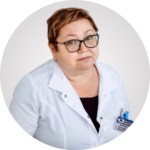
Dr. Olga Matylevich NN Alexandrov National Cancer Centre of Belarus Belarus
Position:  Europe Board Representative Specialty: Gynecologic Oncology Personal Statement:  My path to gynecologic oncology was shaped by an early exposure to the field. My late mother was part of a dedicated team of physicians who, as early as the 1960s, began developing gynecologic oncology and radiation gynecology in Eastern Europe. Watching her work taught me that resilience, compassion, and ingenuity are the cornerstones of exceptional care — especially when resources are limited. That lesson is my foundation. For the past ten years, I have served as a moderator for Tumor Boards organized in Belarus with the participation of international mentors from IGCS (ECHO Projects). Together, we have discussed over 100 complex clinical cases. This experience has given me a front-row seat to the diversity of challenges my colleagues face — and taught me how to bring global expertise into a local context effectively. I was also at the origin of forming a strategic alliance between IGCS and the Belarusian Society of Oncologists. This partnership has now been active for nearly ten years, sustained through many challenges in the modern world. It taught me that sustainable collaboration is possible when built on mutual respect, clear goals, and persistent effort — regardless of political or economic headwinds. If elected to the IGCS Board, I will champion what I call strategic equity — not identical solutions for all, but targeted support where needs are greatest. My concrete goals include:
  • Expanding the Tumor Board model into a formal mentorship network connecting emerging leaders from underrepresented European regions
  • Advocating for educational content that reflects diverse clinical realities — from advanced robotics to low-resource innovations
  • Ensuring that IGCS remains a responsive partner for every specialist on the continent, regardless of their country's economic history
  • Exploring practical ways to reduce barriers to IGCS membership and conference participation for colleagues from lower-resource settings

I will serve every IGCS member with pragmatism, respect, and a deep understanding of what it means to deliver excellent care without endless resources. Having sustained a decade of international collaboration through political and economic headwinds, I bring resilience that no well-resourced system can replicate. Together, we will advance gynecologic cancer care across all of Europe — from east to west, north to south.
Dr. Jo Morrison Somerset NHS Foundation Trust United Kingdom
Position: Europe Board Representative Specialty: Gynecologic Oncology  Personal Statement: Having been an active member of the International Gynaecological Cancer community, via Cochrane and an International Gynecologic Cancer Society-associated society, for many years, it would be an honour to serve the International Gynecologic Cancer Society on their Board of Directors. As a medical student, I worked for great clinicians and mentors who challenged me to ask “why” about everything, charging us to “always listen to the patient”. I also had amazing opportunities to work in basic science laboratories, working alongside clinicians and scientists from across the globe, in the University of Oxford, UK, Harvard University, USA, and The Medical Research Council Research Centre in The Gambia. These early experiences gave me a global healthcare perspective. They also set me on a career asking “why”. I learnt that this was not necessarily a comfortable question, perceived by many as a threat, not a genuine desire to learn and deliver excellence for my patients. I was also inspired to follow a career, first in obstetrics and gynaecology, and then gynaecological oncology, seeing the need for people to champion women’s healthcare in a world where people who worked in obstetrics and gynaecology were (and still are) often looked down upon. Throughout my career, as both a clinician, and as an academic, I aspire to deliver excellence in care, supporting and mentoring colleagues. This has been locally, nationally, and internationally. As senior editor for gynaecological cancer within the Cochrane Collaboration, I have had the privilege to work with colleagues globally, supporting evidence-based care in gynaecological cancer. I have also contributed to global continuing professional development through in my role (since 2019) as Deputy and then Editor-in-Chief for The Obstetrician and Gynaecologist, which has international impact with over 1.8 million article downloads per year. Despite this, I have continued in a hands-on role, working in a centre outside of a major city, in an area of high rural and coastal deprivation, delivering patient-centred care. This has helped my research to be inspired and guided by ideas and concerns of patients. Application of quality improvement methodology, which I teach to postgraduate doctors, allows understanding local problems and creates bespoke solutions to achieve lasting improvements in care, rather a top-down directives. This, combined with knowledge mobilisation, working with patient groups and lobbying policy-makers and governments for change, can lead to lasting improvements for people with gynaecological cancers. These experiences drive my vision that all women deserve excellence in care, not just those who have the benefits of geographical, educational and economic resources to access ‘centres of excellence’. This can be delivered through mentorship of colleagues, encouraging the next generation into gynaecological cancer care, evidence-based guidelines, ensuring that we consider the harms and costs of treatment, not just the benefits, and shared decision-making with our patients, helping to deliver the best care for each and every individual woman, based on her values and concerns.

Candidates for Board Member Representing Latin America

Dr. Jorge Hoegl Universidad Central de Venezuela Venezuela
Position:  Latin America and Caribbean Board Representative Specialty: Gynecologic Oncology Personal Statement:  Bridging gaps toward a new era in gynecologic oncology in Latin America and the Caribbean. “Global Standards for Local Challenges” As a Venezuelan gynecologic oncologist who is currently practicing in a resource-constrained setting, and who is also a university professor and active member of IGCS, ESGO, INCIP, and ABCIP, I have first-hand experience with the structural gaps that continue to limit access to prevention, timely diagnosis, and high-quality multidisciplinary care across our region. Latin America and the Caribbean are home to extraordinary talent, rich cultural diversity, and remarkable resilience. This diversity is one of our greatest strengths, and our experience in complex settings has taught us that excellence depends not only on available resources but also on our ability to innovate, collaborate, and remain steadfastly committed to our patients and to the training of future generations. My vision for the Latin America and Caribbean Council is to foster a truly integrated, accessible, and representative community, where no professional’s growth is limited by geography, language, or practice setting. I aspire to help shape a region that is more connected, more visible, and more actively engaged within the global gynecologic oncology community. I understand firsthand that leadership in our region requires not only academic preparation and scientific rigor, but also human sensitivity, adaptability, and a genuine vocation for service. I believe in leadership that listens, unites, and creates meaningful opportunities for those who work every day to improve the quality of oncologic care across our region. As Regional Board Representative, I will focus my work on three strategic priorities: Academic empowerment I will promote mentorship, continuous education, and research development among fellows and early-career specialists, so that professionals in our region can access cutting-edge knowledge and actively contribute to its generation, dissemination, and leadership. Regional integration I will foster closer collaboration among Spanish-speaking, Portuguese-speaking, and Caribbean communities to strengthen the academic and professional ties that allow us to share experiences, expand networks, and ensure that IGCS opportunities reach our region more equitably. Standards of excellence I will support the development of regional guidelines aligned with IGCS principles and global standards. I will also promote the adoption of realistic, locally adapted versions of evidence-based international guidelines. My goal is to help elevate the quality of gynecologic oncology care across the region, bring best practices closer to our patients, while being mindful of each country’s realities. I am not seeking this role simply to represent a region, but to serve it, strengthen it, and help it to fulfil its potential. I firmly believe that Latin America and the Caribbean are destined to play an increasingly visible and influential role in the future of global gynecologic oncology. I believe that IGCS must recognize not only the significant challenges in our region, but also its invaluable talent, commitment, and excellence.
Dr. Luiz Felipe Lessa Ortiz Hospital Alemão Oswaldo Cruz GAVVA Clínica Medicina Reprodutiva e Oncofertilidade Brazil
Position:  Latin America and Caribbean Board Representative Specialty: Gynecologic Oncology Personal Statement:  As a gynecologic oncologist deeply committed to innovation, education, and global collaboration, I see the IGCS Board of Directors as a grant platform to help shape the future of women’s cancer care worldwide. Throughout my career, I have focused on advancing minimally invasive surgery, sentinel lymph node mapping with indocyanine green, fertility-sparing approaches, and oncofertility integration in oncologic care. Serving on the Board would allow me to contribute these perspectives while learning from and collaborating with leaders across diverse healthcare systems. My primary motivation is to strengthen bridges between high-resource and resource-constrained settings. As someone trained in Brazil and Italy, and actively engaged in international scientific societies, I understand the disparities in access to specialized surgical techniques, fertility preservation strategies, and structured oncologic pathways. I hope to help expand IGCS educational initiatives, mentorship programs, and technology-transfer models to ensure that advances in gynecologic oncology—particularly in precision surgery and fertility preservation—reach patients globally. I am particularly passionate about three areas: Ensuring that fertility preservation counseling becomes a standard component of care for young women diagnosed with cancer, regardless of geography. Minimally Invasive and Image-Guided Surgery – Promoting structured training in robotic surgery and fluorescence-guided procedures to improve oncologic safety and quality of life. Leadership Development for the Next Generation – Strengthening mentorship pathways and empowering young gynecologic oncologists to become academic leaders, researchers, and educators within their regions. Ultimately, I hope to contribute to a Board that is forward-looking, inclusive, and action-oriented—one that not only develops guidelines, but also ensures their implementation through education, collaboration, and measurable impact. Serving on the IGCS Board would not only be an honor; it would be an opportunity to give back to the global community that has shaped my own professional journey and to help define the next chapter of gynecologic oncology worldwide.

Meet the Candidates Early Career Network Executive Committee

Candidates for Early Career Network President

Dr. Vanessa Alvarenga Bezerra Hospital Einstein Israelita Brazil
Position:  Early Career Network - President Specialty: Gynecologic Oncology Personal Statement:  I have a strong interest in serving on the IGCS Early Career Network Executive Committee, as I firmly believe in the impact that international collaboration, mentorship, and structured education have on the development of early-career professionals in gynecologic oncology. These initiatives are essential to reducing disparities, expanding access to knowledge, and strengthening specialist training across diverse global settings. I am a gynecologic oncologic surgeon at Hospital Israelita Albert Einstein in Brazil, where I work across clinical care, research, and education. I also serve as an international mentor in the IGCS program in Mozambique, an experience that has broadened my perspective on global challenges and reinforced my commitment to building networks that promote equitable access to education and professional development. If elected, I will strengthen member engagement by encouraging active participation and collaboration. I will work to expand international scientific partnerships by facilitating connections between centers and supporting multicenter initiatives. I also aim to further develop mentorship programs focused on the academic, clinical, and leadership growth of early-career specialists. I am particularly interested in fostering stronger integration across regions such as Latin America, Europe, Africa, and the United States, promoting the exchange of experiences, training, and collaborative research. My goal is to help build an active, inclusive network that supports professional growth, develops future leaders, and advances global care for women with gynecologic cancers.
Dr. Eric Rios-Doria University of Washington United States
Position:  Early Career Network - President Specialty: Gynecologic Oncology Personal Statement:  It is an honor to be a candidate for President of the IGCS Early Career Network (ECN) Executive Committee. Our field is rapidly evolving, and global collaboration is as important as ever. My vision for the ECN is to empower emerging gynecologic oncology professionals to connect, collaborate, and develop as future leaders in the field. Throughout my academic career, I have been deeply committed to bringing together colleagues, advancing science that improves patient outcomes, and promoting the field of gynecologic oncology amongst clinicians, trainees, patients, and advocates. As a candidate for ECN Executive Committee President, I aim to leverage these past experiences to help establish an infrastructure that supports members and allows them to meaningfully impact patient care worldwide. My priorities for the ECN are threefold: global engagement, collaborative opportunities, and expanded education. The existing communication channels for the ECN are promising, and expanding upon this framework will allow members across all regions to feel seen, heard, and empowered to contribute. Collaborative efforts will not only focus on research but also on mentorship and career development pathways, whether academic, clinical, advocacy, research, or beyond. Lastly, the educational resources offered by IGCS are expansive. I would support the continued development and growth of accessible educational programming designed to help early-career members build clinical expertise, research skills, and leadership development.  The ECN is uniquely positioned to bring together diverse voices across geographic, cultural, and resource settings. I hope to help cultivate an inclusive global community where early-career gynecologic professionals share knowledge, connect across borders, and advance their careers to benefit patients with gynecologic cancers. If elected, I will ensure transparency, inclusivity, and active engagement so our initiatives meet the needs of our ECN community. It would be a privilege to serve in this role, work alongside all of you, and build a Network that not only supports our growth but amplifies our impact. Thank you for your consideration. I am eager to work together to advance our Network and create a lasting impact on the future of gynecologic oncology. 

Candidates for Early Career Network President-Elect

Dr. Sara Maria Moufarrij Memorial Sloan Kettering Cancer Center United States
Position:  Early Career Network - President Elect Specialty: Gynecologic Oncology Personal Statement:  I have always had a difficulty answering the question “Where are you from?” I am what sociologists call a “third cultured kid”, someone who was raised in a country that is not their parents’ home, nor the country of their birth. I was born in the United States to Lebanese parents and had the opportunity to live in the United Arab Emirates, Switzerland, Turkey, South Korea, the United States and Lebanon. This upbringing taught me that the concepts of nationality and belonging are abstract: I never understood the definition of identity as belonging to a place defined by boundaries. However, as I progressed through my training, it became evident that geography and community dictate not only who you are but also how healthy you can be.  Women’s healthcare is influenced by locoregional politics, with disparities shaping health outcomes. Gynecologic oncology seeks to combat this inequity by endeavoring to standardize cancer care on a national and international basis, despite the medical and social challenges that exist. IGCS is a leader in achieving these goals. The institution has a longstanding record in recognizing that healthcare goals cannot be achieved by one country alone. It places emphasis on collaboration, research, education and advocacy as cornerstones of improving global oncologic outcomes.  I seek to apply for President Elect of the Early Career Network Executive Committee to propel IGCS’ goals, which are in line with my “third cultured” self. My vision for our committee will be the following: increasing multinational collaboration by creating regional and international research databases, promoting opportunities for enrollment in virtual research and biostatistics courses, expanding opportunities for phase II/III clinical trials in low to middle income countries (LMIC), and increasing our work with nongovernmental organizations (NGOs) to better understand local health needs. Establishing international databases is a top priority for me. I believe it is our duty as physicians and/or scientists to disseminate new information or ideas to advance our understanding of diseases and improve the healthcare metrics of all oncology patients. However, this is best done if data is combined, shared and analyzed across diverse institutions. Additionally, I would like to focus on strengthening enrollment in virtual statistics and research courses to further empower clinician scientists to do the best research they can. Furthermore, I would like to increase LMIC enrollment in phase II/III clinical trials to assist in correcting the misalignment of certain gynecologic oncology disease burden with the global distribution of clinical trials. This is fundamental in ensuring proper data generation and improving cancer outcomes globally. Finally, I would like to push for advocacy by promoting avenues for engagement with third party actors such as NGOs by way of creating alliances between medical schools and NGOs to allow for medical rotations in areas cared for by these organizations. I hope for all these concepts to improve regional and international collaboration, enhance global knowledge on gynecologic cancers, and improve advocacy on the issues that matter the most to our patients.
Dr. Sneha Raj Tata Memorial Centre, Mumbai India
Position:  Early Career Network - President Elect Specialty: Gynecologic Oncology Personal Statement:  I am honored to seek election to the IGCS Early Career Network (ECN) Executive Committee and to contribute to an international community of early-career gynecologic oncologists working to shape the future of gynecological cancer care. My work at Tata Memorial Centre in India, a high-volume tertiary cancer center serving patients from diverse socioeconomic backgrounds, has given me a deep appreciation of both the opportunities and disparities that exist in oncology care, particularly in low- and middle-income countries (LMICs). My vision is for the ECN to empower early-career gynecologic oncologists across the world to lead innovation, champion equity, and improve outcomes for women with gynecologic cancers. First, I aim to strengthen research collaboration within the ECN, particularly around clinical and implementation challenges relevant to LMICs. Survey responses from ECN members reflect strong interest in research opportunities and collaborative projects, yet many early-career oncologists—especially those in resource-limited settings—lack structured pathways into multicenter research. I would support the creation of ECN research groups, mentorship networks, and regional ambassador roles that help connect members across geographies, identify shared priorities, and enable broader participation in collaborative studies. Second, I believe the IGCS ECN can contribute meaningfully to equitable cancer care by improving access to surgical training and technical skill development, especially for oncologists practicing in resource-limited settings. IGCS has already developed valuable educational resources through workshops, webinars, and digital learning platforms. Building on these strengths, I would support structured mentorship networks, curated learning pathways, and peer communities that help early-career clinicians translate knowledge into safe, sustainable practice within their own healthcare systems. Third, I am passionate about advancing fertility preservation for women with gynecologic cancers, an area that remains under-addressed in many parts of the world. Within the ECN, I would promote a structured initiative that includes needs assessment, development of educational resources, and the establishment of multidisciplinary referral pathways. Creating an ECN-linked expert consultation network could help clinicians access guidance for complex fertility-preservation cases. Fourth, I remain committed to supporting the global cervical cancer elimination agenda through education, screening initiatives, and capacity-building programs that engage early-career oncologists as advocates for prevention and early detection. Finally, I believe professional growth is strongest within a supportive community. I aim to create peer mentorship networks, including support for women in gynecologic oncology navigating career development and life-stage transitions. Through these initiatives, I would bring a perspective shaped by both clinical complexity and resource-sensitive care. If elected, I will work to accelerate the reach and impact of the IGCS ECN by fostering an inclusive platform that creates equitable opportunities for early-career members across diverse healthcare settings and advances gynecologic cancer care for women worldwide.

Candidates for Early Career Network Secretary Treasurer

Dr. Joanna Kacperczyk-Bartnik Department of Gynecologic Oncology Maria Sklodowska-Curie National Cancer Research Institute of Oncology Poland
Position:  Early Career Network - Secretary Treasurer Specialty: Gynecologic Oncology Personal Statement:  My vision for joining the IGCS Early Career Network Executive Committee is to strengthen a global community of young gynecologic oncology professionals who are united by a shared goal: delivering the highest quality care to patients worldwide. Working in a leading Polish oncological center, I have seen how continuous scientific growth, international collaboration, and early access to innovative research directly enhance patient outcomes. I am committed to helping extend these opportunities to colleagues across the IGCS network. Representing the Middle East Europe region, I aim to ensure that its strong clinical expertise and rapidly expanding research landscape are fully reflected within IGCS initiatives. Our region has a wealth of talent, and I want to amplify its voice, building stronger bridges between local institutions and the global gynecologic oncology community. Drawing on my leadership experience as former ENYGO Vice‑President and current President of the Polish Young Gynecological Oncologists Network, I hope to expand scientific opportunities for early career researchers. My goals include promoting involvement in international studies, strengthening mentorship programs for young investigators, and creating accessible pathways for scientific contribution within IGCS. By empowering early‑career clinicians and researchers, we can directly support innovation and, ultimately, the highest standard of patient care. As a member of the Executive Committee, I hope to contribute to a dynamic, inclusive network that elevates scientific excellence, fosters global cooperation, and advances the future of gynecologic oncology through the next generation of leaders.
Dr. Manisha Vernekar CNCI (IGCS FELLOWSHIP) India
Position:  Early Career Network - Secretary Treasurer Specialty: Gynecologic Oncology Personal Statement:  My vision is to advance equitable, evidence-based gynecologic cancer care worldwide through education, collaboration, and sustainable capacity building.  I am committed to strengthening global training initiatives, expanding mentorship networks, and supporting research collaborations.  Education without borders—through digital platforms, global tumor boards, and leadership development for early-career oncologists—will ensure long-term impact.  Through collaboration, patient advocacy, patient-centered leadership, and survivorship programmes, we can advance prevention, improve outcomes and better survival. Expanded multilingual educational content Case-based interactive global forums Leadership and research methodology training for early-career oncologists Empowering young gynecologic oncologists ensures the sustainability of our specialty.